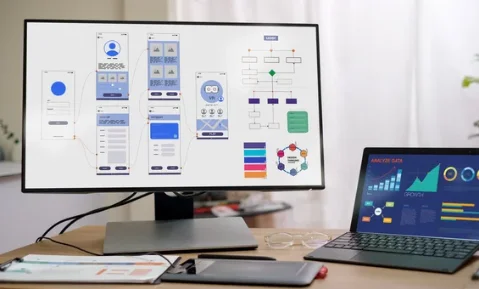
This comprehensive guide explores the strategies for maximizing ROI with CRM systems, emphasizing actionable steps that deliver significant value and long-term benefits.
Understanding CRM and ROI
What is CRM?
CRM refers to a system designed to manage and analyze customer interactions and data throughout the customer lifecycle. The primary objectives of CRM are to:
- Improve customer service.
- Increase customer retention.
- Enhance sales and marketing efficiency.
What is ROI in CRM?
ROI measures the financial return generated from an investment in CRM systems. It considers:
- Increased revenue through better customer retention and acquisition.
- Cost savings from streamlined processes.
- Improved productivity and operational efficiency.
Maximizing ROI requires a well-thought-out strategy that ensures the CRM system delivers measurable outcomes.
Key Benefits of CRM Systems
Before delving into strategies, it’s essential to understand the value CRM systems bring:
1. Enhanced Customer Engagement
CRM tools provide insights into customer preferences, enabling personalized interactions that foster loyalty and trust.
2. Streamlined Sales Processes
With features like sales pipeline tracking, automated follow-ups, and analytics, CRMs help teams close deals faster and more effectively.
3. Data-Driven Decision-Making
CRM systems consolidate data from multiple channels, offering actionable insights for better strategic decisions.
4. Marketing Optimization
From email campaigns to lead tracking, CRMs empower businesses to target the right audience with precision.
5. Cost Efficiency
Automation and centralized data reduce redundant tasks and lower operational costs, contributing directly to ROI.
Strategies to Maximize ROI with CRM Systems
1. Align CRM Goals with Business Objectives
Your CRM strategy must reflect your broader business goals. For example:
- If the goal is revenue growth: Focus on lead generation and conversion metrics.
- If customer retention is key: Prioritize tools for personalized communication and loyalty programs.
Best Practices:
- Define clear CRM objectives during implementation.
- Ensure every department understands how the CRM aligns with their goals.
- Regularly review CRM performance against KPIs (Key Performance Indicators).
2. Choose the Right CRM Platform
Not all CRM systems are created equal. Selecting a CRM that fits your business needs is crucial for maximizing ROI.
Factors to Consider:
- Scalability: Can the system grow with your business?
- Customization: Does it offer tailored solutions for your industry?
- Integration: Can it seamlessly connect with your existing tools (e.g., ERP, marketing software)?
- User-Friendly Interface: Is it easy for your team to adopt and use?
Recommended Actions:
- Conduct a needs assessment before choosing a CRM.
- Seek demos and trials to evaluate usability.
- Invest in training to ensure proper implementation.
3. Leverage Data Analytics for Insights
CRM systems provide vast amounts of data that, when analyzed correctly, can yield invaluable insights.
How to Use CRM Analytics Effectively:
- Customer Segmentation: Group customers based on behavior, preferences, and demographics.
- Predictive Analytics: Anticipate future trends and customer needs.
- Performance Metrics: Track sales performance, lead conversion rates, and campaign effectiveness.
By turning data into actionable strategies, businesses can optimize their operations and improve ROI.
4. Automate Routine Tasks
One of the most significant advantages of CRM systems is their ability to automate repetitive tasks, freeing up time for more strategic activities.
Tasks to Automate:
- Email marketing campaigns.
- Follow-up reminders.
- Data entry and updates.
- Report generation.
Automation reduces human error, improves efficiency, and ensures no opportunities are missed.
5. Enhance Customer Experience (CX)
A positive customer experience is directly linked to higher ROI. CRM systems help businesses deliver exceptional CX by:
- Personalizing interactions based on customer history.
- Providing consistent service across all channels.
- Resolving issues quickly with real-time access to customer data.
Key Tactics:
- Use CRM data to send tailored recommendations and offers.
- Track customer feedback to continuously improve services.
- Implement loyalty programs to reward repeat customers.
6. Foster Team Collaboration
CRM systems centralize data, making it accessible to all relevant teams, including sales, marketing, and customer support.
Benefits of Collaboration:
- Enhanced cross-departmental communication.
- Consistent messaging and branding across customer touchpoints.
- Faster resolution of customer issues.
Tips for Success:
- Train all teams on CRM functionality.
- Encourage regular inter-departmental meetings to share insights.
- Set shared goals that CRM systems can help achieve.
7. Monitor and Optimize Performance
Continuous monitoring and optimization are essential for sustaining high ROI.
Metrics to Track:
- Customer Acquisition Cost (CAC): The cost of acquiring a new customer.
- Customer Lifetime Value (CLV): The total revenue a customer generates over their lifetime.
- Retention Rate: The percentage of customers retained over time.
- Churn Rate: The percentage of customers lost over a specific period.
Actions to Take:
- Regularly review reports and dashboards.
- Identify areas where performance is lagging and make data-driven adjustments.
- Test new strategies and measure their impact on ROI.
Challenges in Achieving High CRM ROI
While CRM systems offer immense potential, businesses may encounter challenges such as:
1. Low User Adoption
Employees may resist using a new CRM system due to lack of training or perceived complexity.
Solution:
- Provide comprehensive onboarding and ongoing support.
- Highlight how CRM benefits individual roles.
2. Poor Data Quality
Incomplete or outdated data can hinder CRM effectiveness.
Solution:
- Regularly update and clean customer records.
- Implement data validation processes to ensure accuracy.
3. Misaligned Expectations
If stakeholders have unrealistic expectations, the CRM system may be deemed a failure despite delivering value.
Solution:
- Set realistic goals and timelines during implementation.
- Communicate progress and successes regularly.
Conclusion
Maximizing ROI with CRM systems is not just about implementing the right technology—it’s about aligning the system with your business goals, leveraging its features effectively, and continuously refining strategies based on data insights. By focusing on key areas such as automation, personalization, and team collaboration, businesses can unlock the full potential of CRM systems and achieve sustainable growth.
When used strategically, CRM systems become a powerful tool for driving customer loyalty, enhancing operational efficiency, and delivering measurable returns on investment.