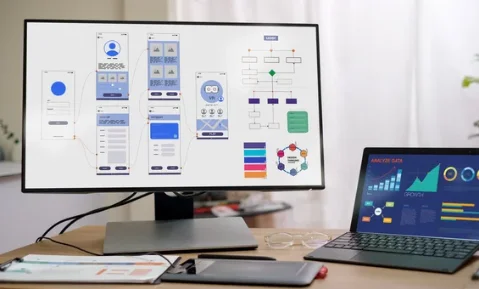
In this post, we will explore the importance of CRM and marketing automation, how they complement each other, and the benefits they offer businesses looking to grow in the competitive marketplace. We will also examine how you can use CRM and marketing automation to create a seamless customer journey and drive better results.
What is CRM and Marketing Automation?
Understanding CRM
Customer Relationship Management (CRM) is a strategy and toolset that businesses use to manage and analyze customer interactions and data throughout the customer lifecycle. CRM systems provide a central hub for managing customer data, interactions, and business processes. By leveraging this data, businesses can improve customer relationships, enhance customer satisfaction, and drive sales growth.
CRM systems store customer information, track communications, and provide insights into customer behavior, helping businesses personalize their interactions and deliver targeted services. Examples of CRM platforms include Salesforce, HubSpot, and Zoho CRM.
What is Marketing Automation?
Marketing automation refers to the use of software tools to automate repetitive marketing tasks, such as sending emails, posting on social media, and nurturing leads. Marketing automation systems allow businesses to create and manage multi-channel campaigns that engage customers at different stages of their journey. These platforms also provide valuable insights into customer behavior, enabling businesses to fine-tune their marketing strategies.
Examples of marketing automation platforms include Mailchimp, Marketo, and ActiveCampaign.
Why CRM and Marketing Automation Work Well Together
1. Seamless Integration of Customer Data
One of the key benefits of combining CRM and marketing automation is the ability to integrate customer data from various touchpoints into a single system. CRM systems store valuable information such as contact details, purchase history, and customer preferences, while marketing automation tools track customer behavior such as email opens, website visits, and social media interactions.
By syncing both systems, businesses can create a comprehensive view of each customer’s journey. This unified data can be used to craft more personalized and targeted marketing campaigns, leading to better engagement and higher conversion rates.
How Integration Improves Customer Experience:
- Personalization: By combining CRM data with marketing automation, businesses can send highly personalized messages based on a customer’s interests, past interactions, and buying history.
- Timely Communication: Automated systems ensure that businesses can send timely follow-ups and reminders to customers, enhancing the likelihood of conversions.
- Holistic View: With integrated data, businesses gain a complete view of the customer’s behavior across all touchpoints, helping to build a stronger relationship and drive better customer experiences.
2. Automation of Lead Nurturing
Lead nurturing is the process of building relationships with potential customers over time, guiding them through the sales funnel until they are ready to make a purchase. Marketing automation platforms excel at automating this process by sending targeted emails, providing educational content, and offering discounts based on a customer’s actions or stage in the buying journey.
When combined with CRM, this process becomes even more efficient. CRM systems track the interactions with leads, enabling businesses to identify which leads are most likely to convert. Marketing automation tools can then automatically send relevant content or promotions to those leads, nurturing them until they’re ready to buy.
Benefits of Automated Lead Nurturing:
- Time Savings: Automating lead nurturing frees up your sales and marketing teams to focus on high-priority tasks.
- Consistency: Automated lead nurturing ensures consistent communication with leads, preventing them from slipping through the cracks.
- Higher Conversion Rates: Personalized, timely communication increases the likelihood of converting leads into customers.
3. Improved Customer Segmentation and Targeting
CRM and marketing automation tools provide businesses with powerful segmentation capabilities. CRM systems store detailed information about customers, including demographics, purchasing habits, and engagement history. Marketing automation platforms can use this data to segment customers into specific groups and send them targeted, relevant messages.
By segmenting customers based on various criteria, businesses can ensure that their marketing campaigns are relevant and impactful. This targeted approach leads to higher engagement, reduced unsubscribe rates, and more successful conversions.
Effective Customer Segmentation:
- Behavioral Segmentation: Businesses can segment customers based on past purchases, website activity, or email engagement.
- Demographic Segmentation: Customers can be grouped by factors such as age, location, or industry.
- Lifecycle Stage Segmentation: By using CRM data, businesses can target customers based on their position in the buyer’s journey (e.g., leads, prospects, or loyal customers).
Key Benefits of CRM and Marketing Automation Integration
1. Enhanced Personalization and Customer Engagement
Personalization is critical in today’s competitive marketing environment. Customers expect businesses to understand their needs and provide tailored experiences. By integrating CRM with marketing automation, businesses can deliver personalized content, product recommendations, and offers that resonate with each customer.
How Personalization Improves Engagement:
- Relevant Content: Automated campaigns can send customers relevant content based on their interests and behavior, improving engagement and keeping them interested.
- Product Recommendations: CRM data helps businesses suggest products or services based on a customer’s past purchases, increasing the likelihood of a repeat sale.
- Exclusive Offers: By knowing a customer’s preferences, businesses can send exclusive discounts or early-bird promotions that are likely to appeal to them.
2. Improved Sales and Marketing Alignment
Sales and marketing teams often work in silos, which can lead to inefficiencies and missed opportunities. Integrating CRM and marketing automation systems helps align these two departments by providing a single platform for tracking customer interactions and measuring campaign effectiveness.
With integrated CRM and marketing automation, sales teams gain real-time insights into which leads are most engaged with marketing content, allowing them to prioritize high-quality prospects. Marketing teams, on the other hand, can better understand the sales process and tailor their campaigns to generate more qualified leads.
Aligning Sales and Marketing Efforts:
- Shared Data: Both sales and marketing teams have access to the same customer data, ensuring they work with the most accurate and up-to-date information.
- Collaboration: Marketing teams can pass qualified leads to the sales team, improving lead conversion and reducing friction in the sales process.
- Performance Tracking: Both teams can track campaign performance in real time and make adjustments as needed to improve results.
3. Real-Time Analytics and Insights
Both CRM and marketing automation platforms offer valuable analytics that can be used to track performance, measure ROI, and make data-driven decisions. By integrating these systems, businesses gain access to a complete set of insights, from customer behavior to campaign effectiveness.
Key Metrics to Track:
- Lead Conversion Rates: Monitor how well leads are converting to customers based on your marketing efforts.
- Email Engagement: Track open rates, click-through rates, and unsubscribe rates to gauge the effectiveness of your email campaigns.
- Customer Lifetime Value: Measure the long-term value of customers acquired through automated marketing campaigns.
How to Implement CRM and Marketing Automation Together
Step 1: Choose the Right CRM and Marketing Automation Tools
To integrate CRM with marketing automation, businesses need to choose platforms that work well together. Many CRM systems, such as HubSpot and Salesforce, offer built-in marketing automation features. Alternatively, businesses can use third-party marketing automation platforms that integrate with their CRM system.
Step 2: Set Up Automated Workflows
Once the systems are in place, businesses should set up automated workflows. This includes creating email sequences, setting triggers for customer interactions, and automating lead nurturing tasks.
Step 3: Monitor and Optimize
As with any marketing strategy, it’s essential to monitor the performance of your CRM and marketing automation integration. Track key metrics, analyze customer feedback, and make adjustments to improve results.
Conclusion
The combination of CRM and marketing automation offers businesses a powerful solution for streamlining their marketing efforts and improving customer relationships. By integrating both systems, businesses can automate repetitive tasks, improve personalization, and create targeted campaigns that resonate with customers at every stage of their journey. Whether you’re a small business or an enterprise, CRM and marketing automation provide the tools you need to enhance customer engagement, boost sales, and drive long-term growth.